Home » How To Prepare Your Pet And Your Home For A Pet Sitter
How To Prepare Your Pet And Your Home For A Pet Sitter
A few tips to help your pet sitter provide the best care possible while you are out of town
Owning a pet can be challenging when you plan to go out of town for work or vacation. While sometimes you can bring your pet with you, you’ll often need to leave your pet at home. Even if you think about using a boarding service, many pets cannot be boarded. This is why many pet owners hire a pet sitter to look after their pets and home.
Here are some tips to make sure your pet sitter has what they need to provide the best care possible.
Preparing For Your Pet
Medications:
Ensure that there is enough of each medication to cover the entire time you will be away, plus 2-3 days extra in case of travel delays. List the storage location, dosages, when to give each dose, and how to give it, like “hide in pill pocket.”
Supplies and Equipment:
Ensure you have enough food, treats, medication, kitty litter, poopie bags, etc. to last while you are away. Let your pet sitter know the location of your dog’s leash, harness, and poopie bags.
Routines:
Give your pet sitter a detailed description of your pet’s routines, including feeding amounts and times, walking schedules, habits, and how to deal with behavior quirks/issues (such as, “My cat knows how to open the back door, so it must be deadbolted at all times.” – true story!).
Carrier:
Inform your pet sitter where you store the pet carrier, if you have one.
Caged Pets:
Secure your pet’s enclosure and keep it out of direct sunlight by closing curtains or blinds before leaving.
Toys:
Bring out your pet’s favorite toys to keep them entertained while you’re away.
Identification:
Ensure you have a collar with ID tags for each dog (and each cat if they are an outdoor cat), and tell your pet sitter if your pet is microchipped (including chip number and company contact information). This will help recovery efforts in case your pet escapes.
Veterinary Authorization:
Give your veterinarian your pet sitter’s name and pre-authorize veterinary care during your absence. You may need to complete a temporary medical treatment authorization form and provide copies to your vet and pet sitter. Some professional pet sitters require you to fill out a temporary medical treatment form.
Prepare Your Home
Clean and Organize:
Clean all litter boxes and pet enclosures.
Vacuum or mop the floors, clear away any clutter or hazards.
Take out the trash and recycling, run the dishwasher, discard any expiring food from the refrigerator.
Put away fragile or private belongings.
Close the doors to any rooms or cupboards where your pet could hide.
A professional pet sitter will make sure your home is as clean as it was when they first arrived. If a pet mess happens or something breaks, they will let you know.
Home Information: Inform your pet sitter of any unusual features about your home (e.g., automatically locking doors, sinks that don’t drain, toilets at risk of overflowing).
Security Devices:
Please inform your pet sitter of the location of every security, pet, or doorbell camera and any other recording device in or around your home that is capable of capturing audio or video. In many states, it is illegal to place cameras in bathrooms or where the pet sitter will be sleeping.
Thermostat/HVAC:
Show your pet sitter where to find the thermostat and how to operate it. Make sure to set it to a comfortable temperature for your pets while you are away.
Technology Instructions:
Leave instructions on how to operate the Wi-Fi (including the password), remote controls, and television.
Dangerous Items:
Move potentially dangerous plants or decorations to areas that your pets cannot access. This is especially important during holidays with hazardous items such as Christmas trees, poinsettias, and Easter lilies.
Ensure you stock enough pet-safe cleaning supplies, paper towels, and garbage bags, and show your pet sitter the storage location of these items.
Safety Lighting:
If your pet sitter’s first visit will be after dark, leave an outside and an inside light on for safety’s sake.
Keys and Access:
Give your pet sitter keys, key fobs/cards, and alarm/access codes, and check that they work beforehand.
Additional Personnel:
If anyone else will be in your home while you’re away, such as a friend, family member, or housekeeper, let your pet sitter know. For safety reasons, many pet sitters will not enter if someone else is there. Some pet sitters won’t accept bookings if pet care duties will be shared.
Communication and Contact Information
Updates:
Be sure to update all pet, vet, home, and contact information (including emergency contact) each time you travel.
Visit Reports:
Discuss with your pet sitter how often they will provide you updates (visit reports, photos, etc.) and how they will deliver them (email, in-app, etc.).
Out-of-town Contact Info:
Share your out-of-town contact information (WhatsApp, etc.) with your pet sitter in advance. If your pet sitter cannot access your home, leaving this information on your kitchen counter won’t help.
Time Zone:
Inform your pet sitter what time zone you will be in, so they know when you are most likely to respond right away if they need to contact you.
Emergency Contact:
Provide the name and phone number of an emergency contact who lives nearby, can make decisions on your behalf, and is aware of your travel plans. If you use keys to access your home, give them a key in case of a lockout. You may also fill out a form allowing your emergency contact to take custody of your pets if something happens to you.
Landlord Notification:
Give your pet sitter your landlord’s contact information if you rent, and give your pet sitter your landlord’s contact information as well. This is especially important in buildings with restricted entry.
To recap: You can help your pet sitter give your pet the best care possible by communicating clearly, keeping your home clean and ready for your pet, and giving them lots of information.
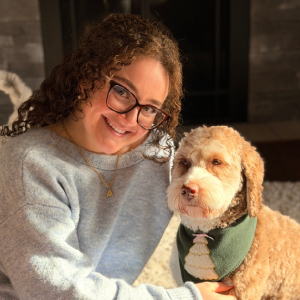
Hi, I’m Devon and I am from the Twin Cities, Minnesota. I am an animal enthusiast with a love for the outdoors and experience caring for dogs, cats, reptiles, and various aquatic animals. I currently have an orange Siberian cat named Sunkist, but my personal passion is aquarium-keeping! Outside of pet care, I am an academic library professional devoted to connecting with and serving my community, whether human or non-human members. I am excited to get to know more critters and their families in the Chicago area!
Alaina – Pet Care Specialist
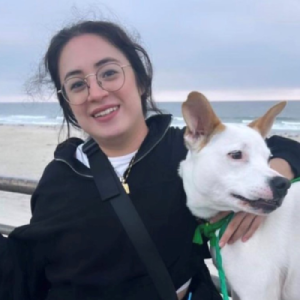
Hi! I am Alaina, a rising senior at Loyola University Chicago studying Sociology on the Pre-Physician Assistant track. My life revolves around animals, from growing up with my family’s dogs by my side to being the fun auntie to my roommate’s cat to saving frogs from window wells. I think pets have life figured out. They cherish each day, never pass up a nap in the sunshine, or the opportunity to make new friends. I love pets with big and small personalities. I’ll make sure they are safe, happy, and spoiled. I can’t wait to meet them!
Milena
Milena “Mils” – Pet Care Specialist
Hi I’m Milena (“Mils”, for short) and I come from San Antonio, TX. I started walking dogs/pet-sitting in 2023. After earning my BA in Mass Communication from Texas State University, I worked in Austin’s local film scene, assisting as a crew member. I primarily work in the service industry when I’m not walking dogs or critiquing movies. Animals in general have always calmed me, but dogs especially bring a smile to my face. After walking dogs in the Texas heat, I’m excited to meet some cool dogs (and other critters) up here in Chicago!
Dori
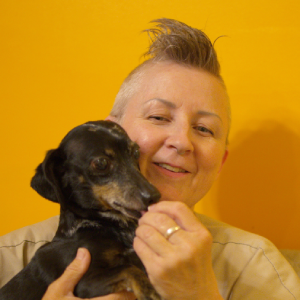
Dorian Taylor, Owner & Head Tail Wagger Certified Professional Pet Sitter®
I’ve been caring for all sorts of pets for over 30 years—from dogs and cats to small mammals, birds, reptiles, amphibians, fish, and even arthropods (bugs and spiders).
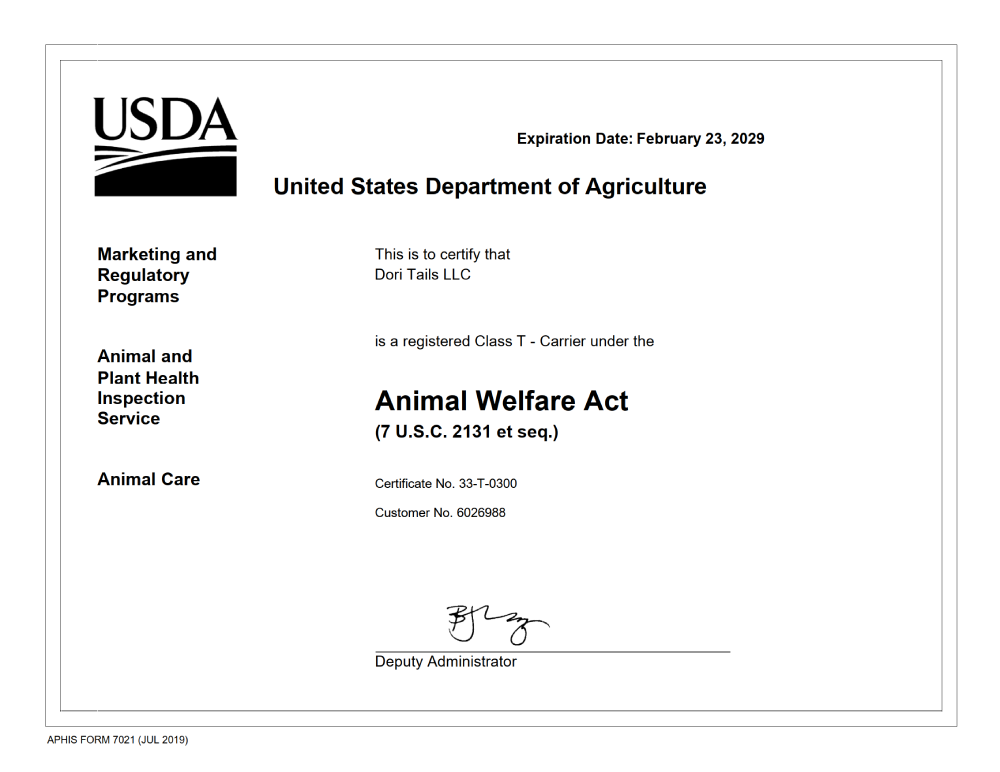
I started being a dog walker and pet sitter on a large national “gig” pet-sitting service in the summer of 2021 as a side gig and as an antidote to the social distancing and lockdowns of the COVID pandemic. Well, my “side gig” grew, and I started Dori Tails in March 2024! I love meeting pet parents and hearing all about their critter babies, and then experiencing the pets’ unique personalities myself. It makes me happy to spend time with animals that need me to love them and take care of them when their parents are gone.
In April 2025 I began bringing other pet lovers in to become part of the Dori Tails Care Team, and it gives me immense satisfaction to help them become excellent dog walkers and pet sitters. We look forward to meeting you and your pets!
Story Time!
When I was three, my sister and I helped Mom care for our two dogs and our cat, as well as hamsters, parakeets, zebra finches, tropical fish, land hermit crabs, and Sea Monkeys (brine shrimp). We had milkweed all over the backyard, which would attract Monarch butterflies to lay eggs every spring. After the eggs hatched, we would put the tiny caterpillars in an enclosure and feed them fresh milkweed until they grew up and turned into jewel-like green-and-gold chrysalises. Then when the butterflies came out, we could gently tease them onto our fingers and release them back into the wild.
As a teenager, I volunteered for 3 years at a wildlife & exotic animal rescue. I was responsible for taking care of “animal ambassadors” like kestrels, owls and other raptors, groundhogs, snakes, lizards, frogs, beetles, spiders, and other arthropods. I made sure they were fed and logged their meals. My favorites were Charlie the barn owl, Lord Richard the turkey vulture, and Khyber the 200 lb Burmese python.
I’ve had many different pets over the years, including my dog Angel Raindrops (1997-2010), several cats, a big black rat named Baby, a corn snake named Iyatiku, green iguanas, a bearded dragon, a turtle, frogs, pond fish, tropical fish, a rubber eel, and freshwater crabs.
I learned a lot about dog training when I signed Angel Raindrops up for basic obedience classes. The trainer specialized in Agility (obstacle courses) and told us, “Dog training classes don’t train dogs, they train people. “First, learn everything you can about your dog’s instincts and innate behaviors, and you can use that knowledge to help you guide them into the behaviors you want.”
That advice helped me teach Angel over 30 commands, and she learned to be a very good and calm girl in any situation. I still use the “people training” principles to help dogs and people have a fun and safe time on walks, and Angel is always there in my heart in one of her big smiles.